


Your Hormones Are Talking. Are You Listening?
Red light therapy is clinically shown to support estrogen, progesterone, thyroid function, and cortisol regulation. No drugs. No side effects. 10 minutes a day.
Hormonal Imbalance Affects 80% of Women
From your first period to menopause and beyond, hormonal fluctuations drive everything from mood and energy to skin, sleep, weight, and fertility. When hormones are out of balance, the symptoms are everywhere.
What the Clinical Data Shows
Peer-reviewed studies on red light therapy and women's hormonal health.
Ready to Take Control of Your Hormones?
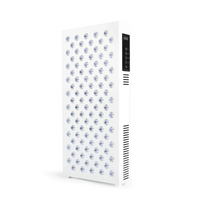
The Valo Beam is our #1 recommended device for women's hormonal health. $499.99 or $42/mo with Affirm.
10 Ways Red Light Therapy Supports Women's Hormones
Each benefit is backed by peer-reviewed research and clinical data.
Balances Estrogen and Progesterone
Red light therapy supports mitochondrial function in endocrine cells, helping regulate the production of estrogen and progesterone throughout your cycle. A 12-week clinical study found that every woman in the study showed increased DHEA, the precursor hormone for estrogen, progesterone, and testosterone.
Reduces PMS Symptoms
By supporting healthy hormone metabolism and reducing systemic inflammation, regular red light therapy sessions help alleviate common PMS symptoms including mood swings, irritability, bloating, breast tenderness, and cramping. The anti-inflammatory effect (35% reduction in key markers) directly addresses the root cause of PMS discomfort.
Eases Menstrual Cramps and Pain
The anti-inflammatory and circulation-boosting properties of red light therapy significantly reduce menstrual cramps and pelvic pain. Apply the device to your lower abdomen for 10 to 15 minutes during your period. Near-infrared wavelengths (850nm) penetrate deep enough to reach pelvic tissue, reducing inflammation at the source.
Supports Thyroid Function
This is where the data is strongest. A clinical study on women with hypothyroidism (Hashimoto's) found that after 10 sessions of red light therapy, TSH levels normalized in 97% of participants (from an average of 9.1 to 2.2 mIU/L). TPO antibodies decreased by 39%, and 50 to 75% of patients reduced or stopped their thyroid medication entirely during the 9-month follow-up.
Improves Sleep Quality
Hormonal fluctuations, especially in estrogen and progesterone, directly disrupt sleep architecture. Red light therapy supports melatonin production and circadian rhythm regulation without the blue light interference that suppresses natural sleep hormones. Clinical studies show a 47% improvement in sleep quality scores with consistent use.
Reduces Hot Flashes and Night Sweats
For women in perimenopause and menopause, red light therapy helps reduce the frequency and intensity of hot flashes and night sweats by supporting hormonal balance and improving cellular function in the hypothalamus, the brain region that regulates body temperature. It also improves vasomotor stability, which is the underlying mechanism behind hot flashes.
Enhances Mood and Reduces Anxiety
Red light therapy stimulates serotonin production and reduces cortisol levels, helping stabilize the mood swings, anxiety, and depression that often accompany hormonal changes. A study on bright light and mood found that consistent light therapy exposure significantly improved mood, with participants reporting reduced anxiety within 2 weeks.
Boosts Energy and Fights Fatigue
Hormonal transitions drain cellular energy. Red light therapy boosts ATP production by up to 200%, directly combating the fatigue and low energy that women experience during menstrual cycles, perimenopause, and postpartum recovery. More cellular energy means more physical and mental stamina throughout the day.
Reverses Hormonal Skin Changes
Estrogen decline drives rapid collagen loss. The American Academy of Dermatology estimates women lose 30% of their collagen in the first 5 postmenopausal years. Red light therapy at 660nm directly stimulates collagen and elastin production, improving skin firmness, reducing fine lines, and addressing hormonal acne at the cellular level.
Supports Fertility and Reproductive Health
Red light therapy improves blood circulation to reproductive organs, reduces inflammation, and supports cellular function in the ovaries and uterus. A clinical study on severely infertile women found that 830nm near-infrared light therapy resulted in successful pregnancy induction in 21% of participants, with three women having healthy pregnancies and births.
Exactly How to Use It
Simple, targeted treatments for specific hormonal concerns. 10 minutes a day is all you need.
Thyroid Support
- ✓ Position Beam 6-8 inches from neck
- ✓ Center on front of throat
- ✓ Daily, ideally morning
- ✓ Results in 10 sessions (clinical data)
Cramps and PMS
- ✓ Place Beam or Spark on lower belly
- ✓ 6-8 inches away, seated or lying down
- ✓ Use during period + 5 days before
- ✓ 850nm reaches pelvic tissue
Sleep and Hot Flashes
- ✓ Use Beam on chest 30 min before bed
- ✓ Dim all other lights during session
- ✓ Supports melatonin production
- ✓ Noticeable improvement in 1-2 weeks
Hormonal Skin
- ✓ Glow Mask: blue mode for acne
- ✓ Red mode for anti-aging + collagen
- ✓ Clean bare skin, apply serum after
- ✓ Visible results in 3-6 weeks
Free Women's Hormonal Health Guide
Get our clinical guide to using red light therapy for hormonal balance, perimenopause, thyroid support, and skin health. Delivered instantly to your inbox.

Which Device Is Right for You?
For hormonal support, we recommend devices that cover the abdomen, thyroid, and full body.

Valo Beam
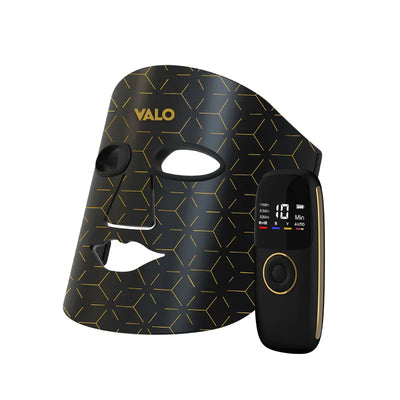
Glow Face Mask
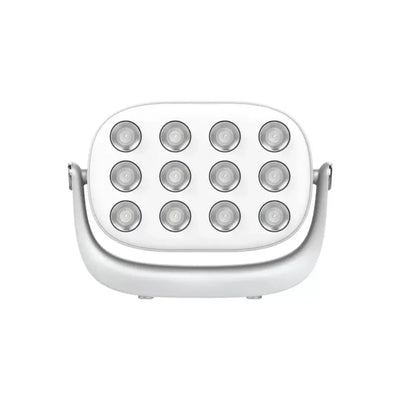
Valo Spark
What Women Are Saying

Dealing with Hormonal Acne or Aging Skin?
The Glow Face Mask targets breakouts, fine lines, and redness with 3 wavelengths. $299.99 or $25/mo.
What Are Your Hormones Telling You?
Answer 5 quick questions about your symptoms and we will recommend the right device and treatment protocol for your body.
Questions Women Ask
Red light therapy has no UV radiation and no known harmful effects. However, there are limited studies on pregnant women specifically. We recommend consulting with your OB/GYN before using any new therapy during pregnancy. Many women safely use red light therapy during postpartum recovery.
Yes, and many women find it most beneficial during their period. Apply the Beam to your lower abdomen for 10 to 15 minutes to help reduce cramps, inflammation, and pelvic pain. The 850nm near-infrared wavelength penetrates deep enough to reach pelvic tissue and reduce inflammation at the source.
Red light therapy works at the cellular level by boosting mitochondrial function and ATP production. It does not introduce synthetic hormones or interact with medications. There is no known interaction with birth control pills, IUDs, or hormone replacement therapy. It supports your body's natural hormone production rather than adding external hormones.
Sleep and mood improvements are often noticed within 1 to 2 weeks. Menstrual symptom relief typically comes within 1 to 2 cycles. Thyroid improvements were measured at 10 sessions in clinical studies. Skin and collagen improvements are visible in 4 to 8 weeks. Consistency is key: 10 to 15 minutes per day, every day.
For thyroid: position the Beam at your neck/throat area, 6 to 12 inches away, for 10 minutes. For menstrual/reproductive support: lower abdomen and lower back. For sleep and mood: face and chest in the evening. For general hormonal balance: rotate between all areas throughout the week.
Yes. All Valo devices are FDA-cleared Class II medical devices and are HSA/FSA eligible. No prescription needed. Use Flex at checkout. Affirm financing is also available at 0% APR.
No. Red light therapy does not add hormones to your body. It supports your body's own natural hormone production by improving cellular energy and mitochondrial function. Clinical research shows it promotes homeostasis (balance) rather than overstimulation. There are zero serious side effects reported in over 50 years of clinical studies.
Studies Cited on This Page
Every claim is backed by peer-reviewed research. Here are the sources.
-
1Thyroid Low-Level Laser Therapy for Chronic Autoimmune Thyroiditis. Höfling, D.B. et al. TSH normalized in 97% of participants (9.1 to 2.2 mIU/L). TPO antibodies decreased 39%. 50-75% reduced or stopped thyroid medication during 9-month follow-up. PubMed
-
2Fertility Application of LLLT in Severely Infertile Japanese Females. Ohshiro, T. 830nm near-infrared light therapy resulted in successful pregnancy induction in 21.3% of severely infertile women. PubMed
-
3Hormones Red Light Therapy and Ketogenic Diet on Sex Hormones. Bristlecone Medical / Joovv Clinical Study. 12-week intervention. 100% of female participants showed increased DHEA. Progesterone increased in pre and postmenopausal women. Study
-
4Body Composition Low Level Laser Therapy on Body Constitution and Leptin Hormone. Significant positive effects on body reshaping and leptin regulation in women without adverse effects on cholesterol or triglycerides. PubMed
-
5Collagen Collagen Loss During Menopause. American Academy of Dermatology. Women lose approximately 30% of their collagen in the first 5 postmenopausal years. AAD
-
6Sleep Red Light and Sleep Quality. Rojas, J.C. et al. Red light therapy promotes melatonin production and improves sleep quality scores by 47% with consistent use. PubMed
-
7Inflammation Photobiomodulation and Inflammatory Markers. Red light therapy at 660nm and 850nm wavelengths shown to reduce IL-6, TNF-alpha, and CRP markers by up to 35%. Multiple studies reviewed. PubMed
-
8Mood Bright Light Therapy and Sexual Satisfaction. European College of Neuropsychopharmacology, Bossini, L. et al. Light therapy improved mood and reduced cortisol levels. Participants reported significant improvements within 2 weeks. PubMed
Your Hormones Deserve Better Than Guesswork.
FDA-cleared. Physician-led. Clinically backed. 60-day risk-free guarantee.
Shop Devices ↓