Stop Treating Arthritis Pain.
Start Healing the Joint.
54 million Americans live with arthritis. Most are told to manage it with pills, injections, and joint replacements. Red light therapy treats it at the cellular level, reducing inflammation and stimulating cartilage repair without drugs or surgery.
Arthritis Is Not Just "Getting Older"
Arthritis is a chronic inflammatory disease that destroys cartilage, swells joints, and creates a pain cycle that gets worse without intervention. The two most common types affect joints differently, but both respond to light therapy.
Osteoarthritis (OA)
Wear-and-tear breakdown of cartilage, the cushion between bones. Without cartilage, bones grind together causing pain, stiffness, and swelling. Knees, hips, hands, and spine are most affected. Cartilage has almost no blood supply, so healing is extremely slow without intervention.
Rheumatoid Arthritis (RA)
The immune system attacks the synovial lining (the membrane that lubricates joints), causing chronic inflammation, pain, and joint deformity. Typically affects hands, wrists, and feet symmetrically. The inflammation is systemic, not just local wear.
How Light Penetrates Your Joints
660nm red light treats the surface. 850nm near-infrared reaches deep into cartilage, synovial fluid, and bone. Here's exactly what happens inside each joint.
Knee Joint
The knee is the most commonly affected joint in osteoarthritis. Near-infrared light at 850nm penetrates through the patella and surrounding tissue to reach the synovial membrane, articular cartilage, and subchondral bone — where inflammation causes the most damage.
In a double-blind clinical study of 50 patients with degenerative knee OA, red and infrared groups saw pain reduced by over 50% in just 10 days of treatment.
Shoulder Joint
The shoulder's ball-and-socket design makes it vulnerable to both OA and rotator cuff degeneration. Near-infrared light reaches the glenoid socket, humeral cartilage, and inflamed rotator cuff tendons — areas that are notoriously difficult to treat without surgery.
PBM therapy has demonstrated significant reduction in shoulder pain and improved range of motion, particularly for patients with frozen shoulder and rotator cuff tendinopathy.
Elbow Joint
The elbow is a hinge joint where the humerus, ulna, and radius converge. Arthritis here degrades the cartilage between condyles, while lateral epicondylitis (tennis elbow) inflames the tendons. Red light reaches both surface tendons and deeper joint structures.
Clinical studies show significant improvement in grip strength and pain reduction for patients with elbow OA and tennis elbow treated with photobiomodulation.
Ankle Joint
The ankle's tibiotalar joint bears the entire body's weight with every step. Arthritis here erodes the cartilage on the talus and tibial plafond, while damaged ligaments from old sprains compound the pain. NIR light penetrates past the malleoli to reach deep joint structures.
Red light therapy has shown particular promise for ankle rehabilitation, reducing both inflammatory markers and recovery time from chronic ankle instability.
5 Mechanisms That Treat Arthritis at the Source
Red light therapy does not mask pain. It addresses the underlying causes of arthritis through 5 clinically validated mechanisms that work simultaneously during every session.
Pain Reduction
Multiple studies show 50%+ reduction in arthritis pain scores. A 2009 Cochrane review confirmed RLT reduces OA pain significantly more than placebo.
Pain Attenuation
A 2022 meta-analysis found 90% of RLT participants experienced measurable pain attenuation in arthritic joints after consistent treatment.
Reduced Stiffness
Morning joint stiffness, the hallmark of arthritis, decreased by up to 70% in clinical trials after 4-8 weeks of daily red light therapy.
Reduces Inflammation
Lowers TNF-alpha, IL-6
Boosts ATP Production
Fuels cartilage repair
Increases Blood Flow
Delivers nutrients to joint
Stimulates Collagen
Rebuilds cartilage matrix
Blocks Pain Signals
Modulates nerve response
How Valo Compares to Standard Arthritis Treatments
| Factor | Valo Red Light | NSAIDs (Advil, Aleve) | Cortisone Shots | Joint Replacement |
|---|---|---|---|---|
| Price | $499 once (Beam) | $30-60/month | $300-600/shot | $30,000-$60,000 |
| Pain relief | 50%+ reduction | Moderate | Good (temporary) | Excellent |
| Treats root cause | ✓ Reduces inflammation, stimulates repair | ✕ Masks pain only | ✕ Temporary relief | ✓ Replaces joint |
| Side effects | None (zero) | GI bleeding, kidney, liver, heart risk | Cartilage damage (long-term), infection | Surgery risks, 6-12 month recovery |
| Duration of relief | Cumulative (builds over time) | 4-8 hours per dose | 3-6 months per shot | 10-20 years (prosthetic life) |
| Invasive? | No — sit in front of a panel | No (oral) | Yes (needle into joint) | Yes (major surgery) |
| FDA cleared | ✓ | ✓ | ✓ | ✓ |
| HSA/FSA eligible | ✓ Yes | Varies | ✓ | ✓ |
| Bottom line | Non-invasive. No side effects. Treats cause. | Short-term only | Temporary, risks | Last resort |
Your Arthritis Treatment Plan
Place Panel 6-12 Inches Away
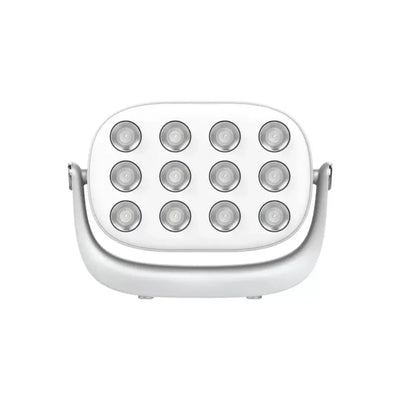
Target the affected joint directly. Beam: mount on wall or door at joint height. Spark: hold 1-3 inches from the joint for targeted treatment. Bare skin for maximum absorption.
10-15 Minutes Per Joint
Start with 10 minutes per session. After the first week, increase to 15 minutes. The 660nm and 850nm wavelengths penetrate simultaneously, treating surface inflammation and deep joint tissue at the same time.
Daily for Best Results
For acute flare-ups: daily sessions (even twice daily is safe). For maintenance: 5x per week. Consistency matters more than duration. A 10-minute daily session beats a 30-minute session twice a week.
Treat Each Joint Separately
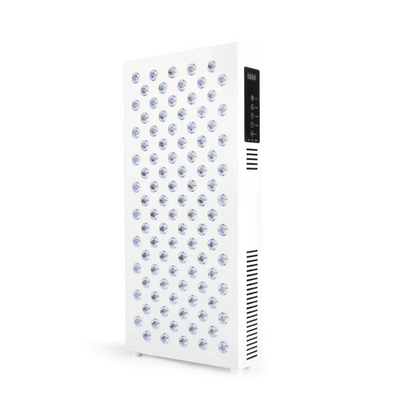
Both knees? Do 10-15 min on the left knee, then reposition for 10-15 min on the right. Knee + shoulder? Same approach, one after another. The Beam covers a full knee in one position.
Week 1-2
Build the habit. You may notice reduced morning stiffness and slight pain relief. Inflammation is beginning to decrease at the cellular level.
Week 3-4
Noticeable pain reduction. Increased mobility and range of motion. Many users reduce NSAID use during this phase.
Week 6-8
Full benefits compound. Significant pain reduction (50%+). Improved joint function. Some users stop pain medication entirely. Results continue to build with ongoing use.
What Arthritis Actually Costs You
The average American with arthritis spends $2,117 per year on out-of-pocket treatment costs. The Beam pays for itself in 3 months and costs $0 to use every day after that. Forever.
"Arthritis is a chronic inflammatory condition, and photobiomodulation is one of the most effective non-pharmacological tools we have for reducing joint inflammation. I've treated thousands of patients with musculoskeletal injuries, and the results with red and near-infrared light on arthritic joints are consistently impressive. The 850nm wavelength is critical because it reaches deep enough to affect the synovial membrane and cartilage directly."
Pick the Right Tool for Your Joints
Valo Beam
Valo Spark
What Arthritis Sufferers Are Saying
Arthritis + Red Light Therapy Questions
Yes. Multiple peer-reviewed studies and a 2009 Cochrane systematic review confirm that low-level laser therapy (photobiomodulation) significantly reduces pain and stiffness in osteoarthritis. A 2022 meta-analysis found 90% of participants experienced measurable pain attenuation. The evidence is strong enough that photobiomodulation is used in clinical rheumatology practices worldwide.
Yes. For osteoarthritis (OA), RLT reduces local inflammation, stimulates cartilage cell activity, and increases blood flow to the joint. For rheumatoid arthritis (RA), it reduces systemic inflammatory markers (TNF-alpha, IL-6) and modulates the immune response. The mechanisms are slightly different but both types respond well to 660nm and 850nm wavelengths.
Yes. Red light therapy is compatible with NSAIDs, DMARDs, biologics, and all standard arthritis medications. It does not interact with any pharmaceutical treatments. Many users find they can reduce their NSAID use over time as inflammation decreases with consistent RLT use. Always consult your rheumatologist before changing medication dosages.
Most users notice reduced morning stiffness and slight pain relief within 1-2 weeks. Significant pain reduction (50%+) typically occurs between weeks 4-8 with daily use. The effects are cumulative, meaning they build and compound over time. Consistency is the most important factor. 10 minutes daily beats 30 minutes twice a week.
The Beam ($499) is best for most arthritis patients. It's hands-free (mount on door or wall), covers the entire knee, shoulder, or hip in one position, and delivers 300W with 4 wavelengths. The Spark ($299) is better for hands, wrists, and small joints where you need direct contact, and it's portable for travel. If you can only buy one, get the Beam.
Yes. All Valo devices are FDA-cleared Class II medical devices and are HSA/FSA eligible through Flex at checkout. No prescription or letter of medical necessity required. Just select Flex as your payment method during checkout and use your HSA/FSA card. Affirm financing is also available at $42/mo (Beam) at 0% APR.
Yes. Red light therapy is safe to use on joints with prosthetic hardware. The light does not interact with metal implants. Many users with partial replacements or hardware from previous surgeries use RLT to manage inflammation and pain in the surrounding tissue. As always, consult your orthopedic surgeon if you have specific concerns.
Yes. Treat each joint for 10-15 minutes, then reposition to the next joint. Both knees = 20-30 minutes total. Knee + shoulder = 20-30 minutes. The Beam is wide enough to cover a full knee or shoulder in one position. There is no limit on how many joints you can treat in a single sitting.
Stop Managing the Pain. Start Healing the Joint.
FDA cleared. Zero side effects. HSA/FSA eligible. 3-year warranty. 60-day risk-free guarantee. The Beam pays for itself after 3 clinic visits.