


Sydney Milani
Doesn’t Slow Down.
She throws her body down a mile of ice at 80 miles an hour, absorbing forces that would put most people in a hospital — and then she does it again. This is the story of what that costs, and how she recovers.
7 Reasons An Olympic Hopeful Trusts Her Recovery To Red Light.
You’ve iced the sore back. Swallowed the ibuprofen. Booked the massage you couldn’t really afford and felt fine for about a day. Then woke up the next morning stiff again, wondering if any of it actually did anything.
Sydney Milani has tried all of it too — except she throws her body down a mile of ice at 80 miles an hour, pulling 3 to 9 G’s through sixteen corners, and “fine for a day” doesn’t get her to the 2030 Games. When you’re asking your body to survive that, run after run, recovery stops being a luxury and becomes the whole job.
She had every recovery method on earth available to her. These are the 7 reasons red light therapy is the one she does every single day — and why each one matters whether you’re chasing gold or just trying to get out of bed without your back screaming.

The 7 Reasons She’s On It.
The Brain Takes The Hit She Can’t See — And So Does Yours
Her head gets rattled against the sled run after run. Yours takes its own version — an old concussion, the fog, the impact you stopped thinking about. Near-infrared light is studied for supporting the brain’s own recovery, whether you race bobsled or just got your bell rung years ago.
One Injury Becomes Four — On The Track And On Your Couch
Her torn ankle traveled up into the hip, hamstring and glute. Your bad knee quietly became a sore hip and an aching back the same way. Light therapy treats the whole kinetic chain, not just the spot that’s screaming today.
Wounds That Have To Heal On A Deadline — Hers And Yours
She couldn’t wait around for stitches to close on their own. Neither can you when life doesn’t pause. Red light became part of how she supported the tissue as it healed — the before-and-after speaks for itself.
A Spine That Carries The Load — At 80mph Or At A Desk
Years of G-force show up on her x-rays. Years of sitting, lifting and bad mattresses show up on yours. The daily routine that helps her body absorb the load is the same one that helps a back that’s just plain tired.
No Pills To Swallow, Nothing To Clear
As a tested athlete, she can’t risk what goes in her body. You may just be tired of a cabinet full of bottles that don’t do anything. Red light is drug-free recovery — ten minutes, no pills, nothing to flag.
The Habit Has To Survive A Real Schedule
She fits it in between training blocks and travel. You have to fit it between work, kids and everything else. Ten minutes at home is what makes it work over years, not days — for both of you.
It’s Built For The Long Game
Her finish line is the 2030 Games. Yours might just be staying active and pain-free for the next thirty years. Either way, the real win is keeping a body intact long enough to get there — and that’s exactly what daily recovery is for.
One Mile. Sixteen Corners. 3 To 9 G’s.
Watch a full run play out — and everything Sydney’s body absorbs from the start house to the finish line.
One Bad Crash. A Whole Chain Reaction.
A violent crash left Sydney with stitches in her ankle — the kind of injury that looks like it heals and ends there. It didn’t.
That ankle was the first domino. The torn CFL changed how she loaded the foot. The foot changed the way her body moved up the chain — and the damage didn’t stay where it started.
This is what nobody outside the sport understands: an injury is rarely just one injury.
The Sport Punishes Everything It Touches.
A bobsled run lasts under a minute. But the body keeps the receipts — and the long-term toll of those forces is the part the highlight reels never show.
3–9 G-Forces
Depending on the track, every run compresses the spine and loads every joint with several times her body weight. Repeated, run after run, season after season.
Raw Ice, No Suspension
The texture of the ice transmits straight through the sled. There’s nothing to absorb the vibration — it goes directly into the body at speed.
Heads Banging
A 5-lb helmet on a head being thrown against the sled walls through every turn. The neck, the spine, and the brain all pay for it.
Compressed Spine
The cumulative loading shows up on imaging. Sydney’s own x-rays tell the story of what years of G-force does to a spine.
The Kinetic Chain
Foot to glute, the body compensates — turning one injury into four. Recovery has to address the whole chain, not just the spot that hurts.
The Long Game
The Olympics are years away. The real challenge isn’t one run — it’s keeping a body intact long enough to make it to 2030.


The G-Force Has A Receipt.
These are Sydney’s own x-rays — the spinal compression that comes from years of pulling 3 to 9 G’s, run after run. It’s the part of the sport nobody sees, and the reason recovery isn’t optional.
Protecting The Brain.
Bobsled is one of the most violent environments in sport for the head. Sydney has lived it — what the team calls “tarmac brain”: the disorientation and impact that comes from a head being rattled against the sled at speed, run after run.
A helmet protects the skull. It doesn’t stop the brain from moving inside it. The repeated jarring — the same kind of repetitive head impact that’s become one of the most urgent conversations in all of sport — is something every high-impact athlete carries.
This is where recovery stops being about muscles and starts being about the most important organ she has.
Photobiomodulation for the brain. Specific red and near-infrared wavelengths are being studied for their role in supporting neural tissue and the brain’s own recovery processes after impact.
Circulation & cellular energy. Red light therapy is researched for supporting blood flow and mitochondrial function — the cellular fuel the brain depends on to recover.
A daily, drug-free habit. For an athlete protecting her brain over years, a consistent light-therapy routine becomes part of the long-term defense.

It’s Not Heat. It’s Not Magic. It’s Light Your Cells Use As Fuel.
Red light therapy — the clinical term is photobiomodulation — delivers specific wavelengths of red and near-infrared light into your tissue. Your cells don’t just absorb it; they put it to work. Here’s the chain of events under your skin.
Light Reaches The Mitochondria
Red and near-infrared light penetrates past the skin to the mitochondria — the engines inside your cells — where a light-sensitive enzyme absorbs it.
Cells Make More Energy
That absorbed light helps the mitochondria produce more ATP, the fuel every cell runs on. More energy means cells can repair, rebuild and recover faster.
Blood Flow & Inflammation Respond
The process is studied for boosting circulation and helping calm inflammation — delivering oxygen and nutrients where the body is trying to heal.
 Corpus Callosum — Highlighted
The Part Of The Brain Impact Hits Hardest.
The corpus callosum is the bundle of fibers connecting the two halves of the brain. It’s also one of the structures most vulnerable to the rotational forces of repeated head impact — the exact kind of jarring a bobsledder, or a football player, takes again and again.
Because near-infrared light can penetrate deep enough to reach brain tissue, photobiomodulation is being actively studied for supporting the brain’s own recovery after impact — the same cellular-energy and circulation mechanism, applied to the organ that matters most.
Two Wavelengths. Two Jobs.
The reason cheap panels don’t deliver is wavelength and dose. The therapeutic window lives in two specific bands — and Valo panels are built to hit them.
Absorbed near the surface. Studied for skin, wound healing, collagen and the tissue you can see — like the ankle Sydney rehabbed after her stitches.
Invisible to the eye and penetrates deeper — reaching muscle, joints, the spine and brain tissue. This is the band doing the deep-recovery work.
The Proof Is On Her Skin.
When that ankle was stitched and raw, red light therapy became part of how Sydney healed it — and the difference is something you can see.


For Wound Healing
After the stitches, red light became part of how she supported the tissue as it closed — the before-and-after speaks for itself.
For The Kinetic Chain
Targeted light therapy on the foot, hamstring, hip flexor and glute — treating the whole chain, not just the injury site.
For The Spine
A recovery routine built to support a body absorbing G-forces and impact compression on every single run.
For The Brain
Consistent near-infrared light as part of her long-term routine to protect the organ no helmet can fully shield.
You Don’t Have To Pull 9 G’s
To Need This.
Sydney’s injuries are extreme. Yours probably aren’t — but the recovery science is exactly the same. The same therapy that protects an Olympic hopeful works for the body you’re trying to keep moving.
Chronic Back Pain
You don’t need a bobsled to have a compressed, aching spine. The same red light Sydney uses on her back is built for yours, too.
Brain & Head Health
Concussion history, brain fog, the long-term effects of impact — brain health isn’t just an elite-athlete concern. It’s everyone’s.
The Weekend Warrior
Tweaked hamstring, cranky hip, an injury that started in one place and spread. Your body compensates exactly like hers does.
The Sydney Milani Stack
Four tools covering everything her body takes — skin, brain, targeted recovery, and full-body. The exact lineup she trusts to keep training.
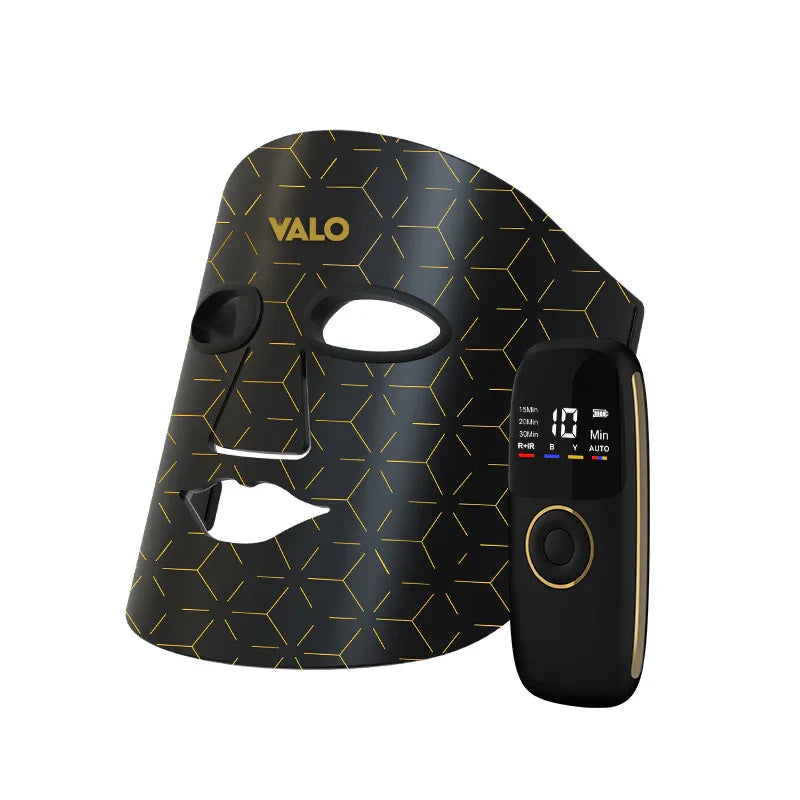
Targeted near-infrared light to the head and face — part of Sydney’s brain-health and recovery routine.
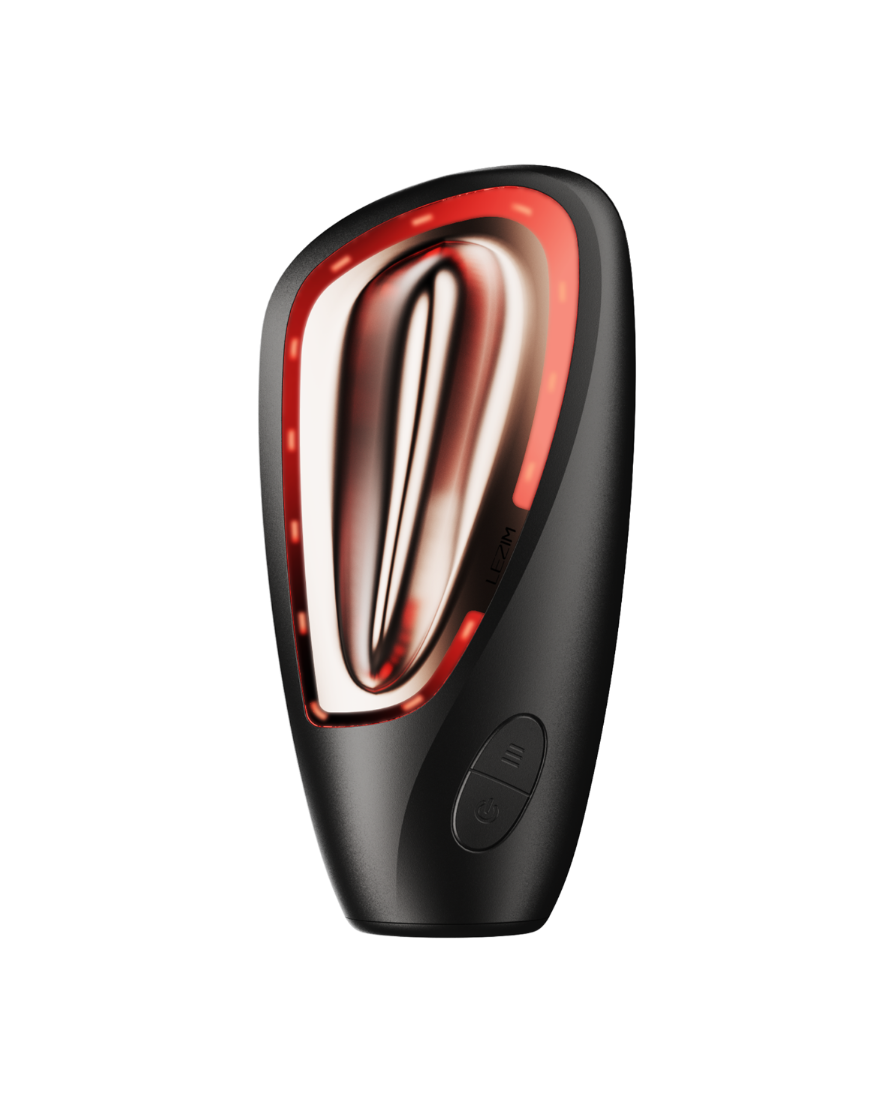
Wrap-and-go targeted therapy for the foot, hamstring, hip flexor and glute — the whole kinetic chain.
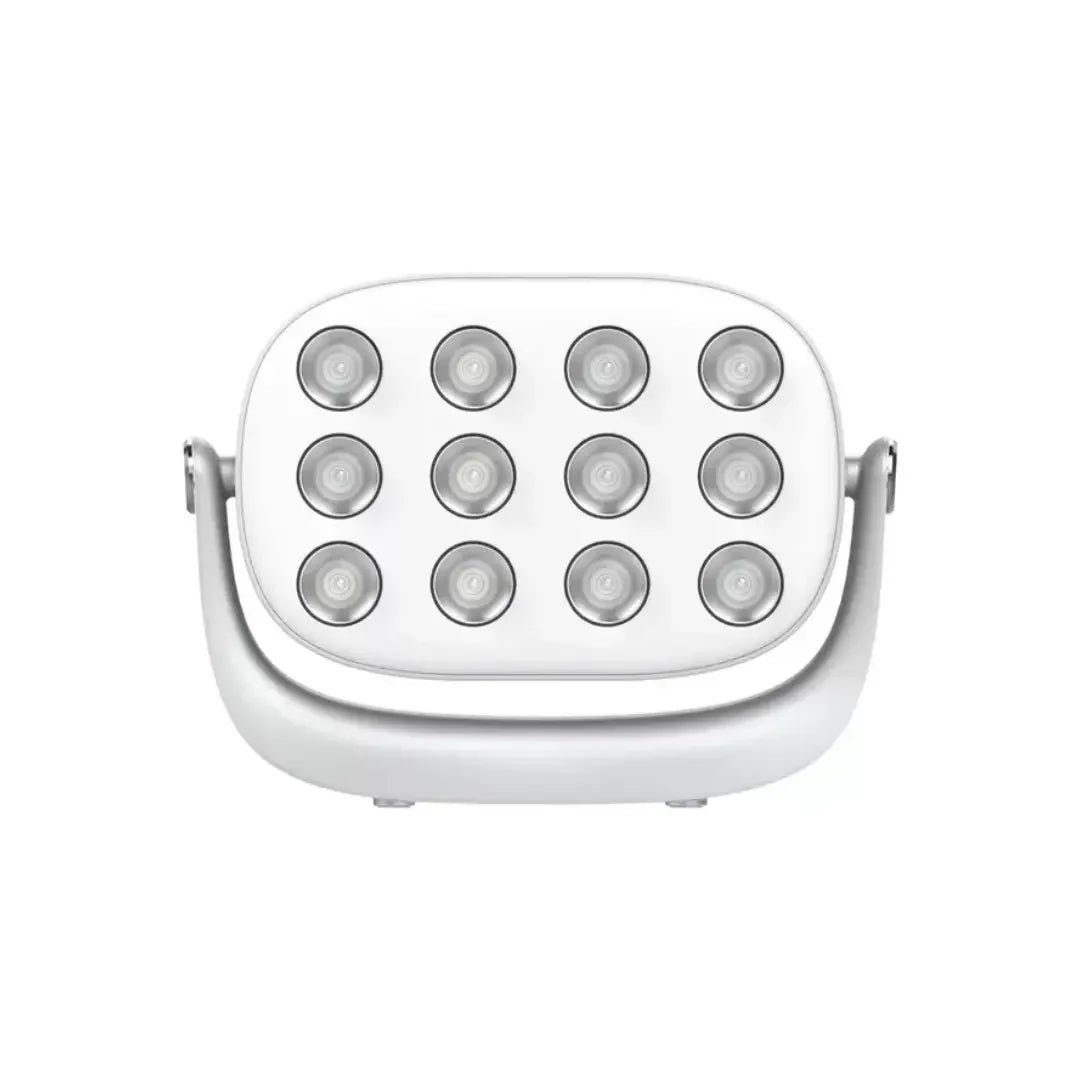
Compact, travel-ready panel for spot treatment — the spine, a sore joint, on the road between training blocks.
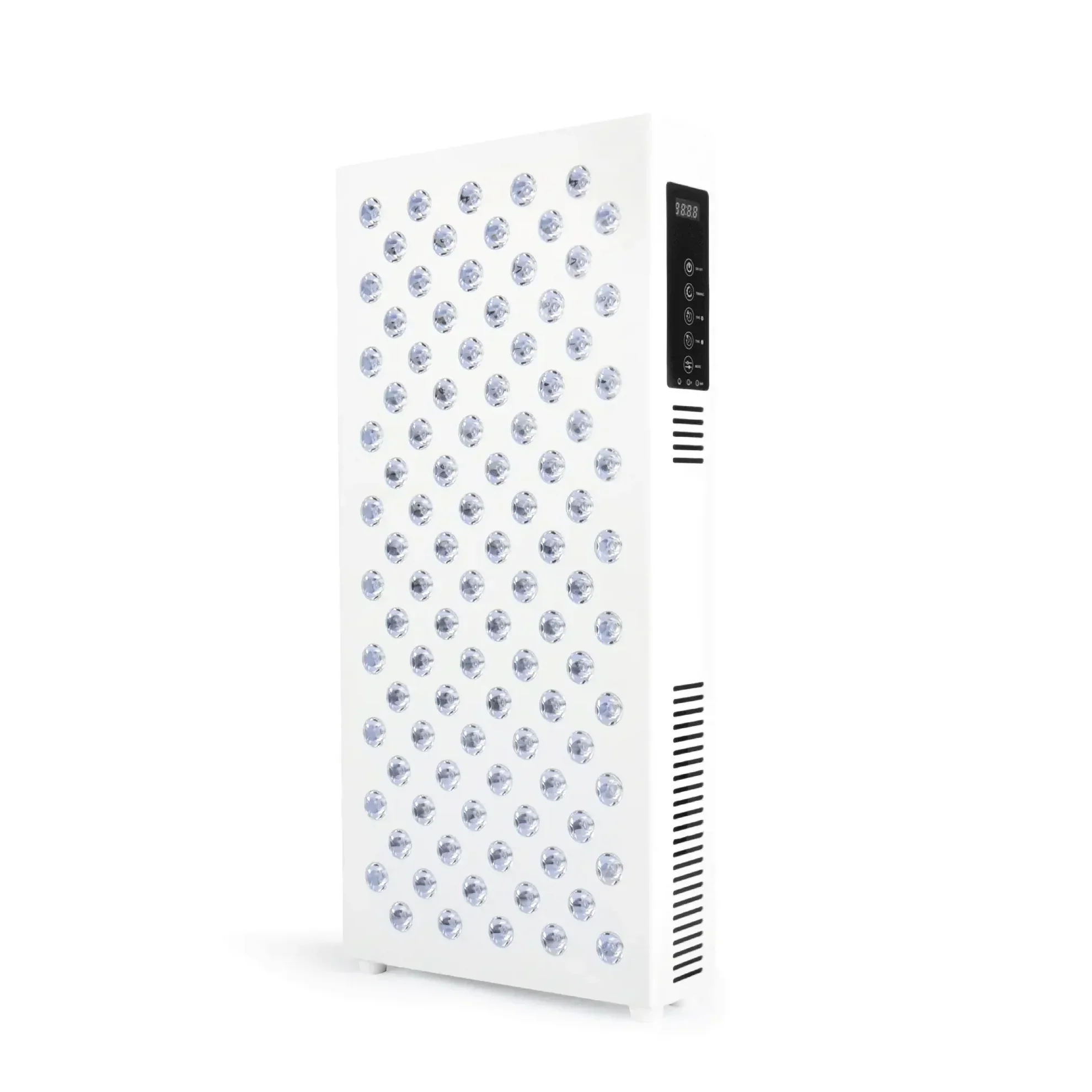
The bigger panel for full-body recovery — back, legs and the whole chain in a single session.
Get 25% Off Sydney’s Picks
Use code TEAMPEERLESS at checkout — applied automatically when you add any of her products above. A portion supports the next generation of Olympic hopefuls.
Not Just Olympians. 10,000+ People.
Athletes, weekend warriors, and people just trying to move without pain — recovering with Valo every day.
“I’ve had lower back pain for years from sitting at a desk. Ten minutes a day with my panel and I’m finally not waking up stiff. Wish I’d done this sooner.”
“Bought it for post-workout recovery and ended up using it on an old shoulder injury. The difference in how fast I bounce back is real. Part of my routine now.”
“If it’s good enough for an Olympic-level athlete, that was enough for me to try it. Three weeks in and my knees feel better than they have in a long time.”
 The Only One In The World
Team Peerless.
Sydney runs Team Peerless, a non-profit built to support Olympic hopefuls chasing the same dream she is — clearing the path for the next generation of athletes.
It’s the same spirit Sorinex brought when they built her a custom push sled — the only one of its kind in the world — so she can train on the track instead of paying for limited time on the mountain. Sydney’s story is about more than medals: it’s about building the support system that gets athletes there.
Learn About Team PeerlessTrain Hard. Recover Harder.
Whether you’re pulling 9 G’s or just trying to keep your body in the game — the science Sydney trusts is built for you, too.